Which Version of Chicken Road 2 Is the Original — and Why It Matters
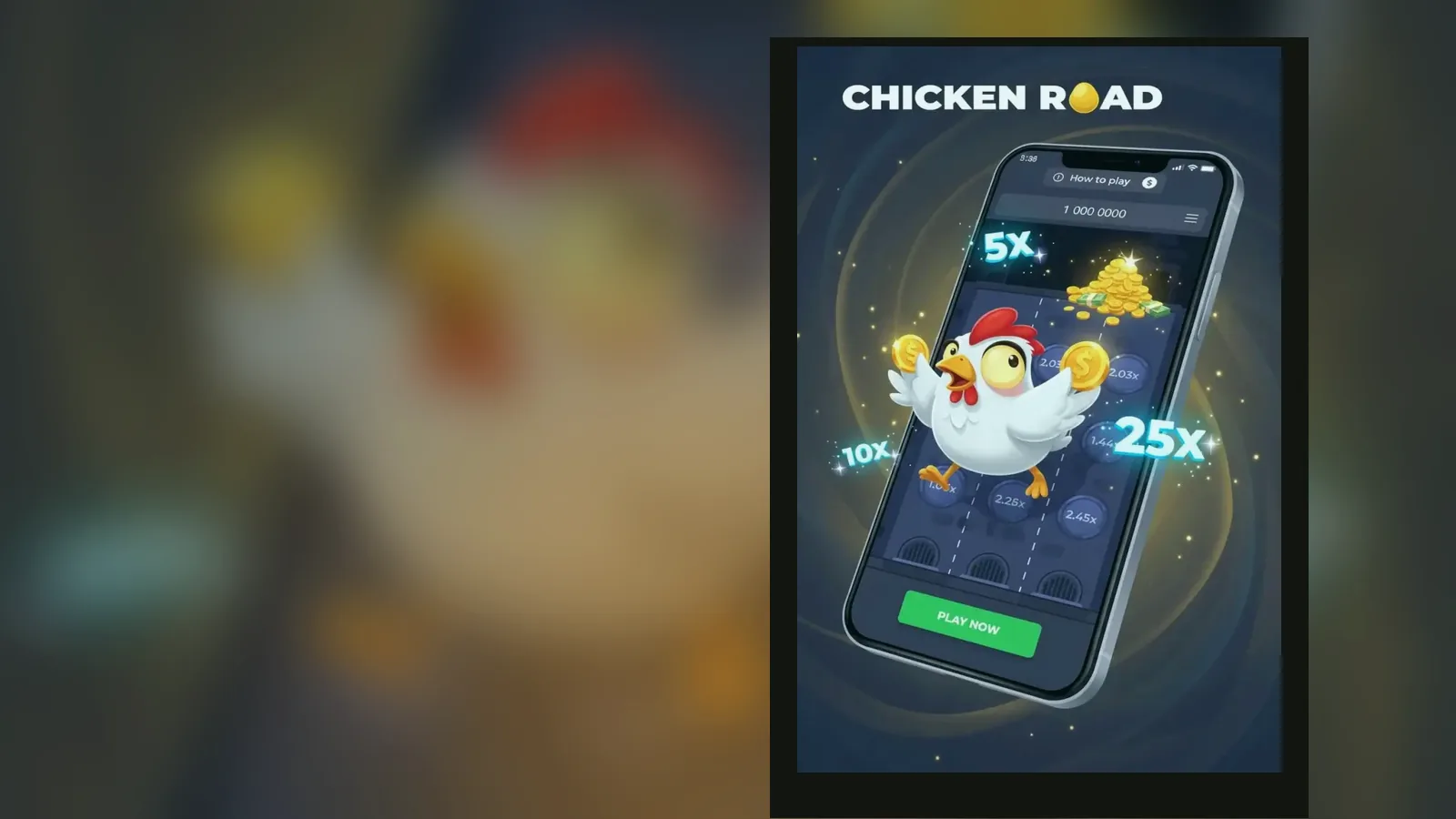
Since April 2024, every slot and crash game on a UKGC-licensed site caps your stake at £5.00 per round — and £2.00 if you are between 18 and 24. That single rule changes how you approach Chicken Road 2: the maximum multiplier can run into the hundreds, but your starting stake never will. The original version respects that cap, displays it clearly, and sits on operators whose licence numbers you can look up in the UKGC register. Clones and unlicensed mirrors do not.
This page answers the questions support teams hear most often: who made the original, how a round actually works from your seat, what the real numbers are, which clones circulate, and how to check in ten seconds that you are on the certified build. The goal is not to sell you on the game but to help you play the right version if you decide to play at all.
Who Made the Original and Where It Runs
The original Chicken Road 2 carries a certificate from an independent testing lab — iTech Labs or Gaming Laboratories International — and appears in the game lobby of UKGC-licensed operators. The provider name sits in the game footer or the lobby tile; if it is missing or the site has no UKGC licence number, you are looking at a clone or an unlicensed mirror.
UKGC-licensed casinos show their licence number at the bottom of every page, often linked to the public register. Copy the number, paste it into the UKGC search, and confirm the operator name matches. If the register returns nothing, the site is illegal to market in the United Kingdom and you have no recourse if a dispute arises.
How a Round Works From Your Seat
You pick a stake between £0.10 and £5.00 — or £0.10 and £2.00 if you are 18 to 24 — and choose a difficulty level: more safe tiles mean smaller multiplier jumps, fewer safe tiles mean faster growth and higher risk. The grid appears, you click a tile, and if it is safe, your multiplier increases and you can click another or cash out. Hit a bomb and the round ends with zero return.
Every tile result is drawn by a random number generator the moment you click; the outcome is not predetermined when the round starts. Your balance updates in real time as you cash out or lose, and the transaction appears in your account history within seconds. Faster Payments withdrawals from most UKGC sites land in your bank the same day or within two working days, once you have passed the initial identity check.
- The RNG is seeded and audited; no pattern or streak changes the next tile.
- Cashing out mid-round is instant; the multiplier at that moment is what you win.
- If your session drops mid-round, the game auto-cashes at the last confirmed multiplier or returns your stake if no tile was clicked.
The Real Numbers From the Tech Sheet
High volatility means long stretches where you hit bombs early and short bursts where you string together safe tiles and see the multiplier climb. The £10,000 cap is a hard limit: if your multiplier would push your win above that figure, the round ends and you receive £10,000. The RTP of 97.00 per cent is measured over millions of rounds; in a single session of twenty or thirty rounds, the return can swing wildly in either direction.
Difficulty Levels and How They Change the Maths
The original offers three difficulty settings, each distributing safe tiles and bombs differently across the 5 × 5 grid. More safe tiles mean you are likelier to survive the first few clicks, but the multiplier grows slowly; fewer safe tiles mean steeper growth and a higher chance of hitting a bomb before you cash out.
| Difficulty | Safe Tiles | Multiplier Growth | Suited For |
|---|---|---|---|
| Low | 18 of 25 | Gradual | Players who prefer frequent small wins and longer rounds |
| Medium | 12 of 25 | Moderate | Balanced risk; medium multipliers after four to six clicks |
| High | 6 of 25 | Steep | Players chasing large multipliers; most rounds end early |
Switching difficulty mid-session is allowed, but the game does not remember your last choice; each round starts at the default unless you change it manually. The RTP of 97.00 per cent holds across all three levels, so the choice comes down to playing style rather than mathematical edge.
Which Clones Circulate and How They Differ
Several unlicensed clones use the name Chicken Road 2 or near-identical artwork, but the RNG is not certified, the stake caps are absent or ignored, and the sites hosting them have no UKGC licence. Some clones accept credit cards — banned for gambling in the UK since 2020 — and others advertise on social media without the mandatory safer-gambling messaging or age-gate.
- Clones often display a maximum win far above £10,000, which is impossible under UKGC rules.
- The game footer may list a provider name that does not appear in any testing lab's public directory.
- Payment options include methods not allowed on licensed UK sites, such as cryptocurrency or credit cards.
- No GAMSTOP integration, so players who self-excluded from licensed operators can still register.
Playing on an unlicensed site means you have no legal protection if the operator refuses a withdrawal, alters your balance, or disappears. The UKGC does not handle complaints against unlicensed operators, and your bank may refuse a chargeback because the transaction was for gambling.
A Ten-Second Check That You Are on the Original
- Scroll to the footer of the casino site and find the UKGC licence number — usually a seven- or eight-digit reference.
- Open the UKGC public register in a new tab and paste the number into the search box; confirm the operator name matches the site you are on.
- Launch the game and check the stake slider: the maximum should be £5.00, or £2.00 if you verified your age as 18 to 24.
- Look for the provider name or certification logo in the game footer; cross-reference it with iTech Labs or GLI's public client lists if you want to be thorough.
If any of those checks fail — no licence number, the register returns no result, stake caps above £5.00, or no provider listed — close the tab and find a licensed operator. The original build is widely available on legal UK sites; there is no reason to risk an unlicensed version.
Where the Original Runs for UK Players
The original Chicken Road 2 appears on UKGC-licensed casinos that carry the provider's full catalogue. Not every licensed operator offers every game, so check the lobby or use the search bar. Most sites that host crash games will have Chicken Road 2 listed under «Instant Win», «Crash», or «Casual Games».
Demo play is common, but many UKGC sites gate it behind a logged-in, age-verified account to comply with advertising rules. You will not need to deposit to try the demo, but you will need to register and upload an ID or passport. Once verified, the demo runs with virtual credits and mirrors the real-money version exactly — same RTP, same stake caps, same difficulty levels.
What Happens When You Play for Real Money
Deposits via debit card, PayPal, Apple Pay, or Open Banking clear instantly, and you can start playing as soon as your account is verified. The operator will ask for age and identity documents before your first withdrawal — usually a passport or driving licence and a recent bank statement or utility bill. Processing takes 24 to 48 hours, and some operators request additional documents if your deposit pattern triggers an affordability check, which starts from £150 net deposits a month.
Withdrawals to e-wallets like PayPal take a few hours to 24 hours; Faster Payments to your bank account land the same day to two working days. The first withdrawal is always slower because of the document check; subsequent withdrawals are faster unless the operator requests new documents for compliance reasons.
- All winnings are tax-free for the player; the operator pays Remote Gaming Duty, raised to 40 per cent in April 2026.
- Credit cards have been banned for gambling since 2020; the payment method must be in your own name.
- If you are on GAMSTOP, you cannot register or deposit on any UKGC-licensed site until your self-exclusion period ends.
- Bonuses usually carry a wager requirement — 30× to 50× is typical — and Chicken Road 2 may contribute less than 100 per cent, or be excluded entirely. Check the terms before you claim.
High volatility means you can go through your deposit quickly if you hit several bombs in a row. Set a deposit limit before you play — UKGC operators are required to offer them — and treat any session as entertainment, not a way to make money. If you find yourself chasing losses or depositing more than you planned, look up GAMSTOP or contact BeGambleAware for help.
FAQ
Is Chicken Road 2 legal to play in the UK?
Yes, if you play on a UKGC-licensed operator. The licence number appears in the footer of every page, and you can verify it in the UKGC public register. Unlicensed sites hosting the game are illegal to market here, and you have no legal recourse if a dispute arises.
Why is my maximum stake £2.00 instead of £5.00?
Players aged 18 to 24 are capped at £2.00 per round under UKGC rules introduced in April 2024. The operator checks your age during account verification and applies the lower cap automatically. Once you turn 25, the cap increases to £5.00.
Can I play Chicken Road 2 in demo mode without depositing?
Most UKGC sites offer demo play, but you will need to register and verify your age first. You do not need to deposit to try the demo, and it mirrors the real-money version exactly — same RTP, same stake caps, same difficulty levels. Virtual credits reset when you refresh the page.
How do I know if I am playing the original and not a clone?
Check the UKGC licence number in the footer, verify it in the public register, and confirm the stake cap is £5.00 or £2.00 depending on your age. The game footer should show the provider name or a certification logo from iTech Labs or GLI. If any of those are missing, you are on a clone or unlicensed site.
What is the maximum I can win in a single round?
The original caps wins at £10,000 per round. If your multiplier would push your win above that figure, the round ends automatically and you receive £10,000. Clones often advertise higher limits, but they are not legal to offer in the UK.
Does changing the difficulty level improve my chances of winning?
No. The RTP of 97.00 per cent is the same across all three difficulty levels. More safe tiles mean gradual multiplier growth and longer rounds; fewer safe tiles mean steeper growth and higher risk of hitting a bomb early. The choice affects playing style, not mathematical edge.